


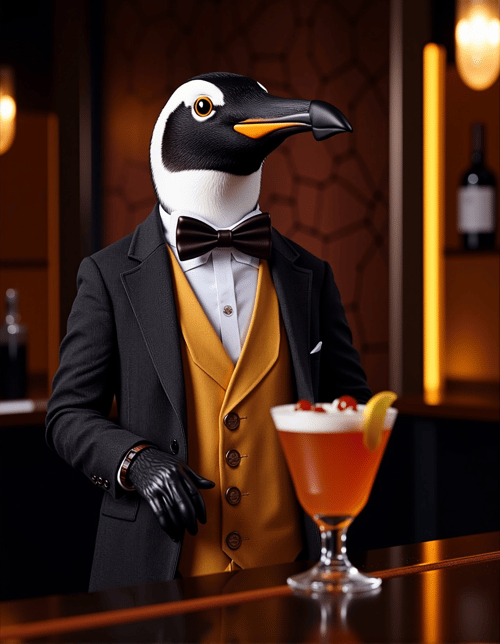
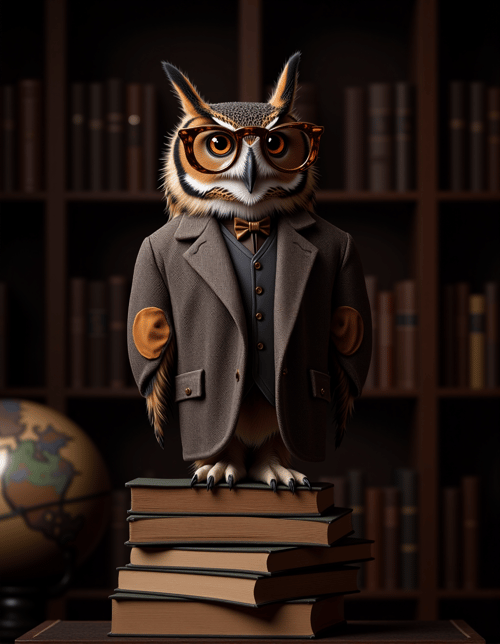
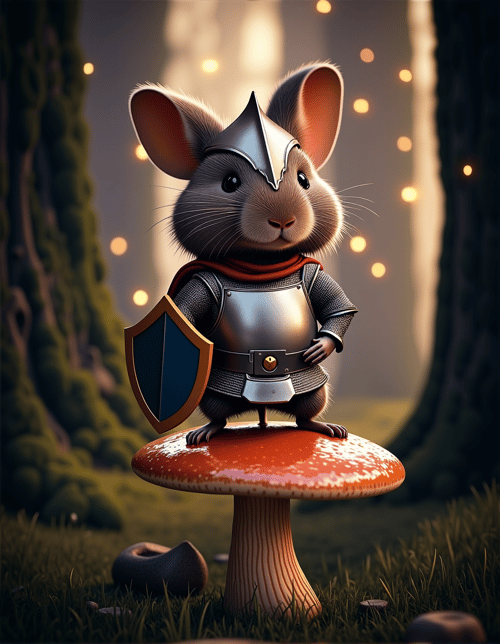
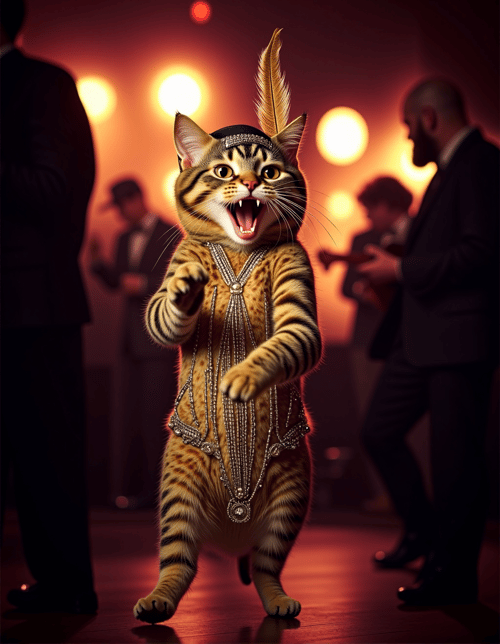


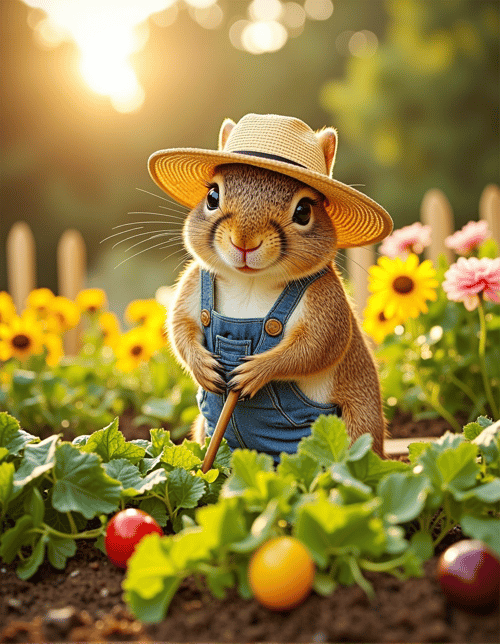
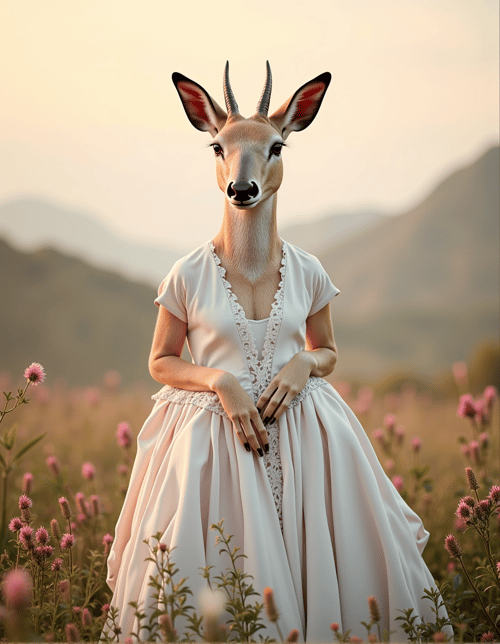
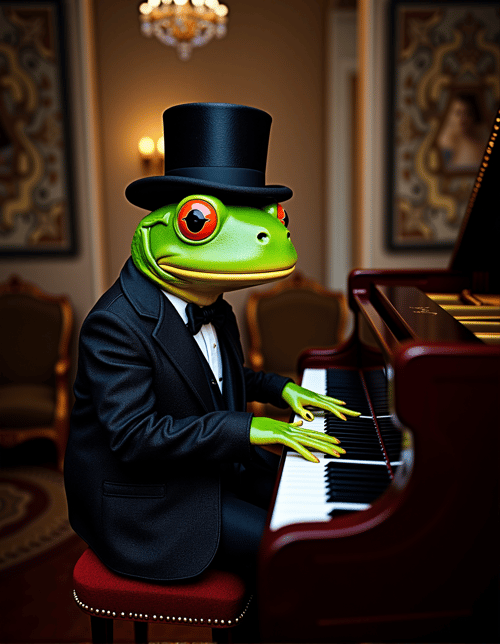
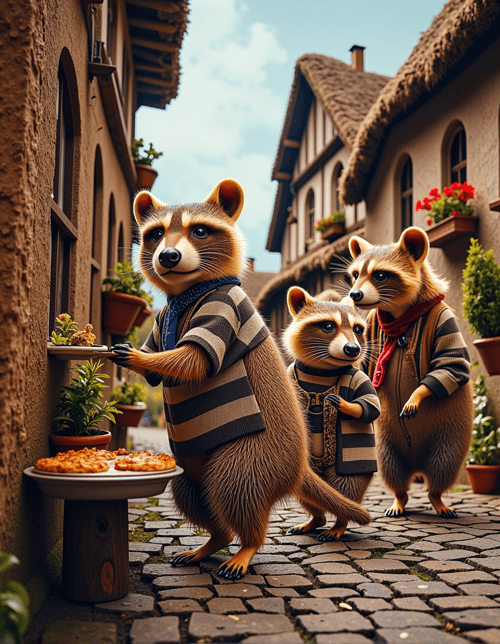

Dressed animals refer to animals that have been adorned or outfitted with clothing or accessories for various purposes, including entertainment, cultural traditions, or artistic expression. This practice has a long history and can be found in different cultures around the world.
In some cases, dressing animals is done for practical reasons, such as protecting them from harsh weather conditions or providing them with specialized gear for specific tasks, such as working animals or therapy animals. For example, horses may be dressed in saddles and bridles for riding, or guide dogs may wear special harnesses.
However, there is also a long tradition of dressing animals for decorative or symbolic purposes. This can be seen in various cultural practices, such as costumes worn by performing animals in circuses or costumes used in traditional ceremonies and festivals involving animals.
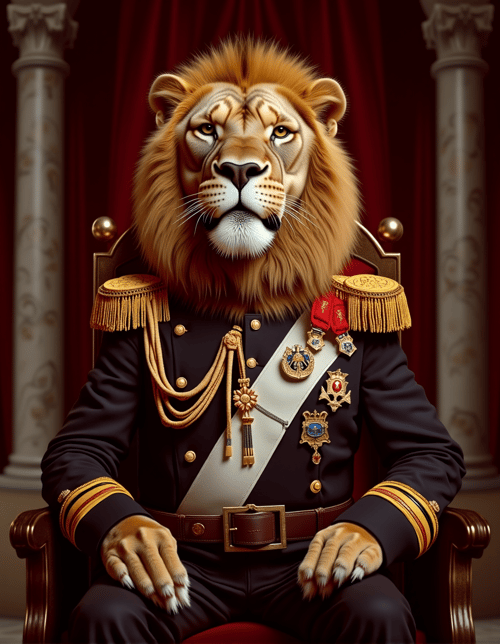
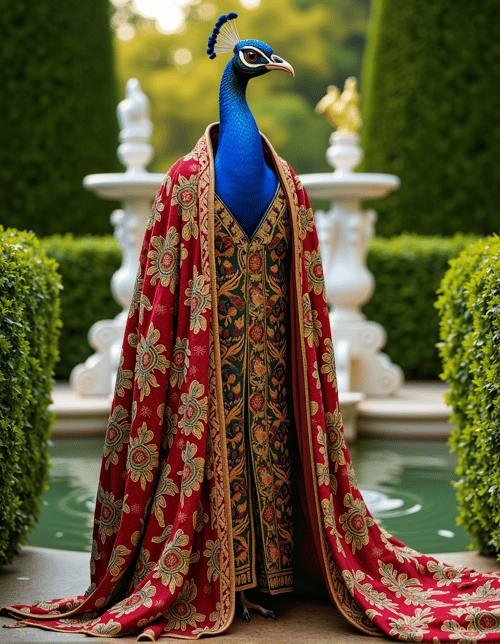
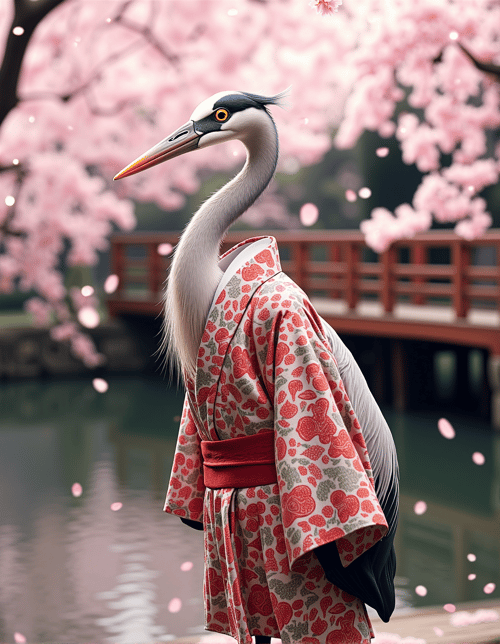
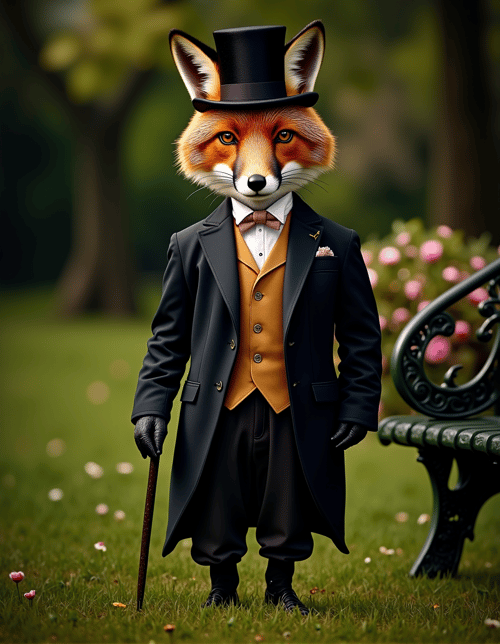
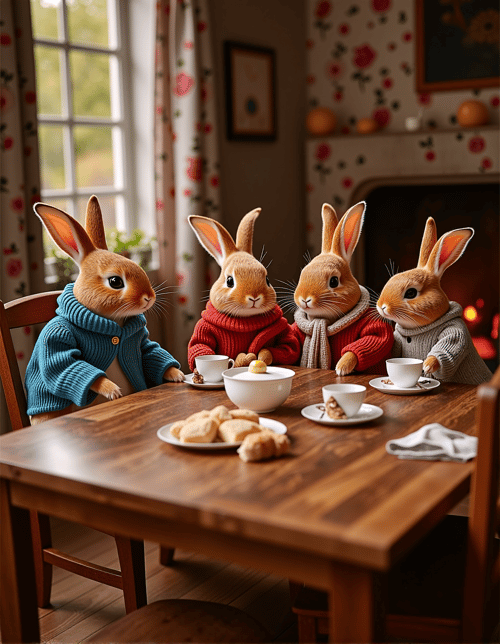
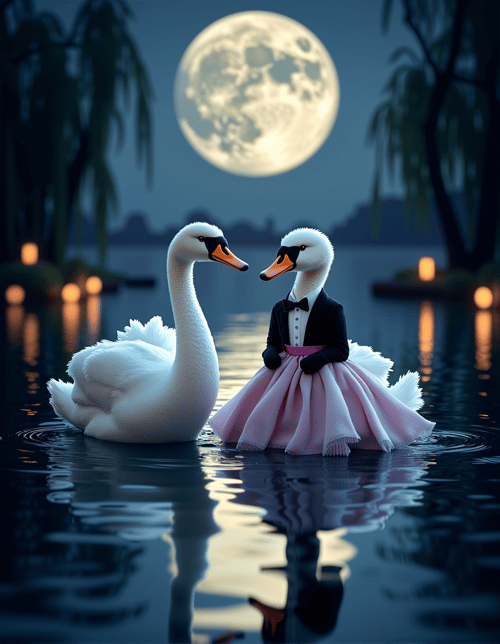
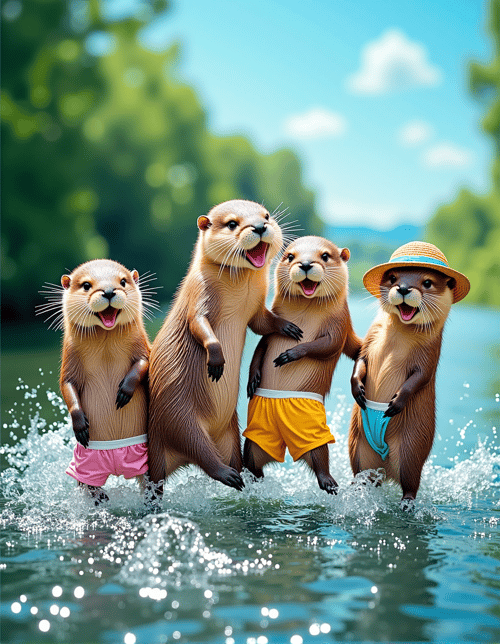
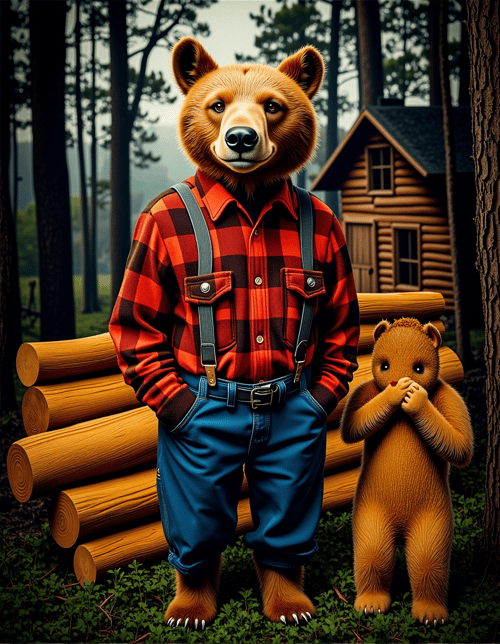
Dressing animals can also be seen in artistic and creative contexts. Artists may create whimsical or fantastical scenes by dressing animals in elaborate costumes or outfits, blurring the boundaries between reality and imagination. This can be seen in various forms of visual art, such as paintings, illustrations, or sculptures.
While dressing animals can sometimes raise ethical considerations, particularly when it involves discomfort or harm to the animals, in many cases it is done with care and respect for the well-being of the animals involved. In artistic and creative contexts, dressing animals can serve as a form of expression, adding a touch of whimsy, humor, or beauty to the depiction of animals in art.
Overall, dressed animals reflect the diverse ways in which humans interact with and represent the animal kingdom, blending practicality, cultural significance, and artistic expression.