


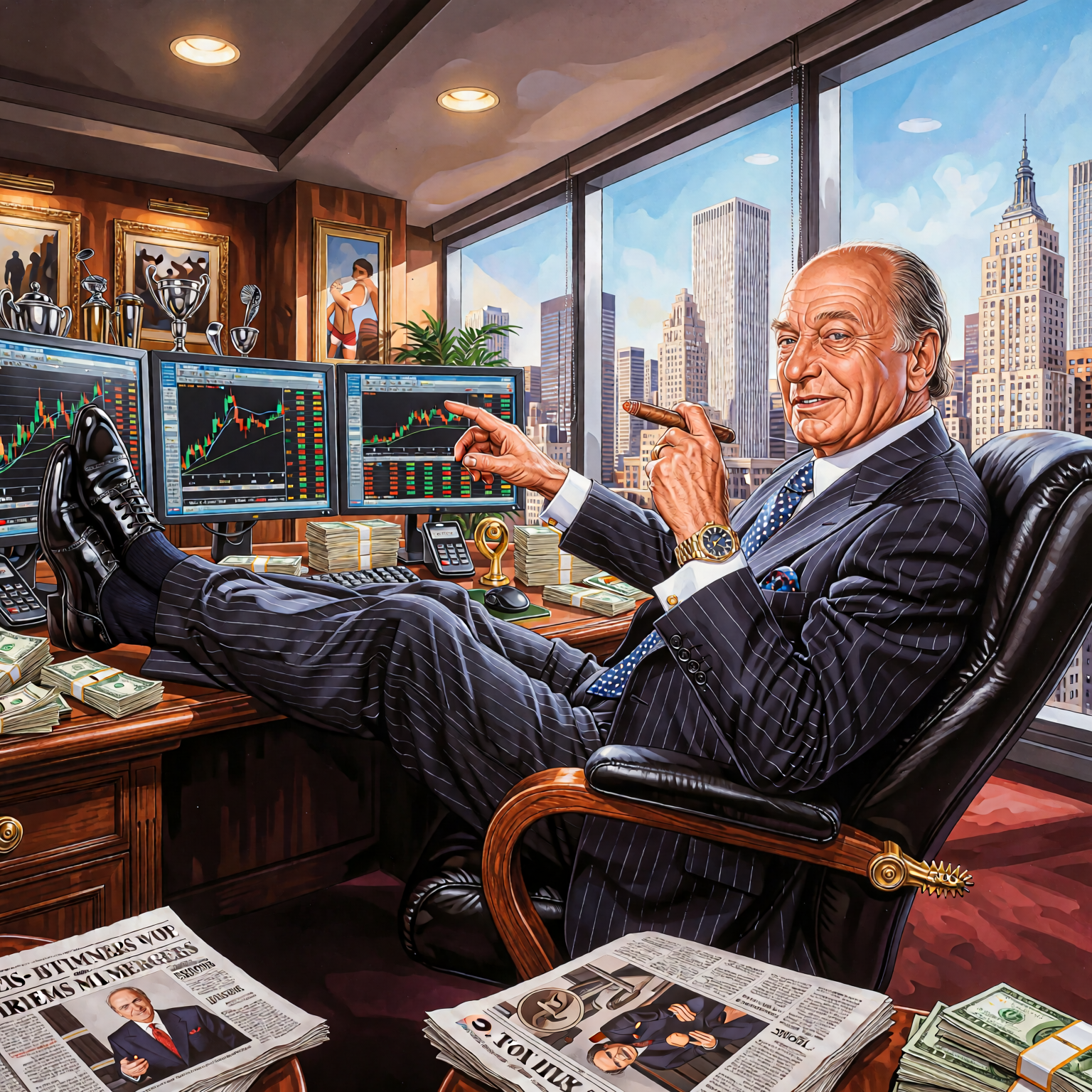
Welcome to my realm; here I'll teach you about my go-to prompting style when western visuals are the objective, this is nor an art/illustration class so I'll tell you the keys to start; then you can dig a lot more if you're interested. I also suggest you to check my models to get improved visuals.
Krea2 Prompting Style
Krea 2 breaks away from traditional keyword-heavy prompting. It acts as an aesthetic-first model that favors flowing, natural-language prose over comma-separated tags. Its prompting style relies heavily on vivid storytelling, environmental context, and image references to deliver a highly artistic output.
1. Structure: Narrative Prose vs. Keyword Lists
Krea 2 responds best to flowing descriptions rather than mechanical, comma-stuffed prompts. The underlying architecture translates descriptive, long-form narratives into striking visuals.
The Formula: Focus on the sequence of Subject + Action + Scene/Environment + Lighting + Mood/Composition.
Avoid Meta-Language: Do not state "In this photo..." or "The image shows...". Start directly with the subject and immediately layer in the visual textures and lighting.
Text Rendering: If you need specific text generated, put the exact words in quotation marks.
2. The "Creativity" Slider & Prompt Adherence
Unlike traditional models that strictly attempt to render exactly what you write, Krea 2 interprets the mood, style, and visual direction of your prompt. Its creativity settings allow you to dictate how much freedom the AI has
Raw: Instructs Krea 2 to adhere strictly to your text, prioritizing literal translation.
High: Gives the model room to fill in stylistic or compositional gaps.
Prompt Adherence Limits: Because Krea 2 is biased heavily toward 3D renders, digital artwork, and cinematic aesthetics, it can sometimes be difficult to prompt it for purely flat, neutral, or highly specific technical details.
3. Workflow Integrations: Mood Boards and Style References
Krea 2’s true power lies in its multimodal capabilities. Often, writing prompts is secondary to using visual references.
Style References & Mood Boards: Rather than spending hours trying to prompt for "cinematic high-contrast lighting", users upload 1–10 reference images or full mood boards. Krea 2 processes the visual weight, color relationships, and aesthetic taste of those references, allowing you to use simple text for subject matter.
VLM Processing: The Vision Language Model (VLM) translates reference images into textual descriptions and combines them with your text. Therefore, controlling style strength (the intensity of the mood board's influence) is a critical step for overriding unwanted aesthetic bleed.
4. Practical Prompt Example
To understand how to weave subject, lighting, and composition together:
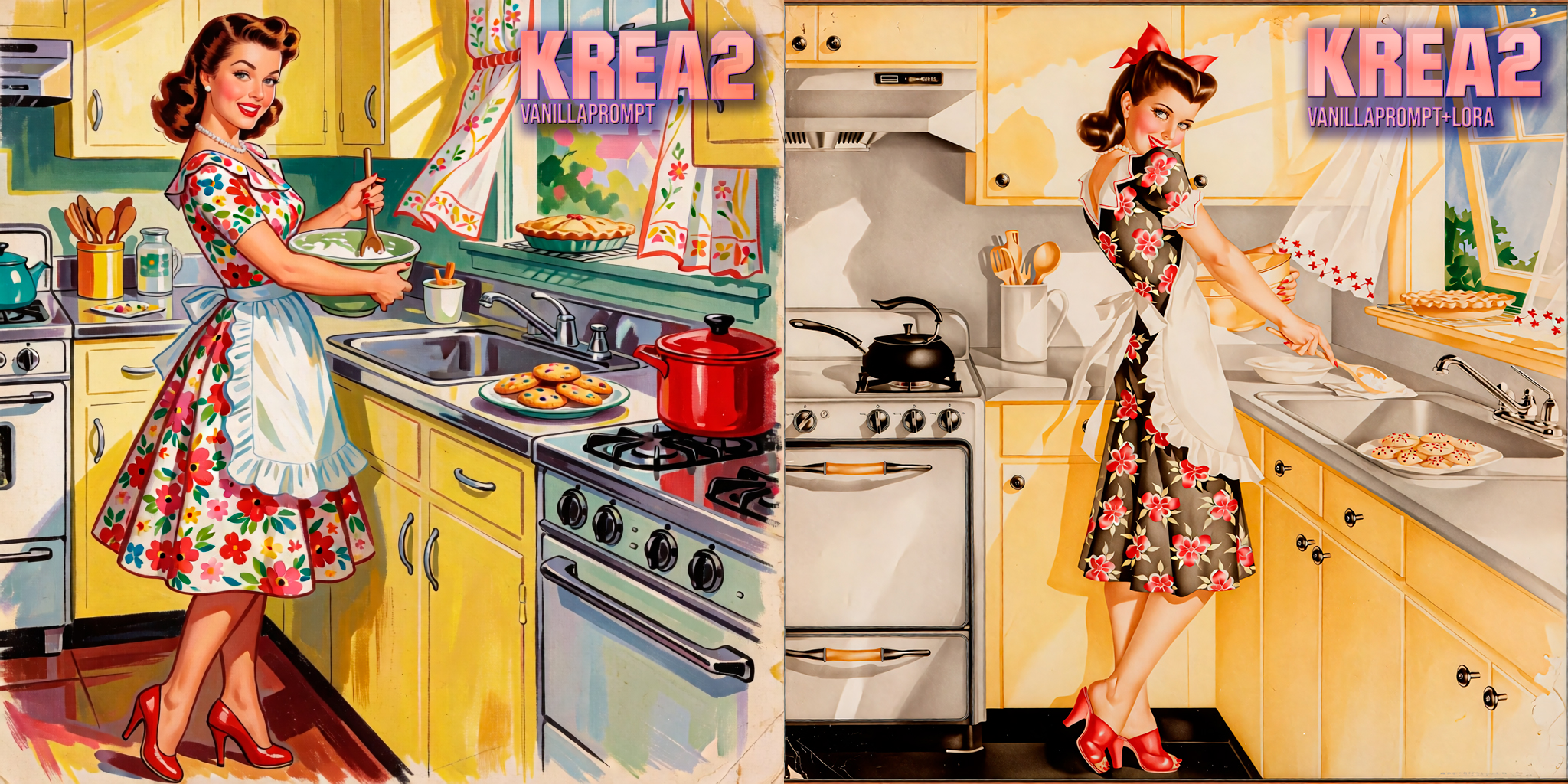
[art-style: Golden Age 1940s American pin-up illustration]
Digital vintage lithograph reproduction. Clean, bold ink outlines with slightly exaggerated contours, smooth airbrushed gouache gradients for skin shading, and high-contrast comic book ink illustration details. Fine ink grain, faint paper yellowing, and minor edge wear.
[/art-style]A beautiful, curvaceous woman in her mid-20s standing at a sunny retro kitchen counter, playfully looking over her shoulder at the viewer while baking. She wears a fitted 1950s floral house dress with a nipped waist, full skirt, white apron with ruffles, pearl necklace, and red high heels. Her hair is perfectly styled in victory rolls or soft waves. She holds a mixing bowl in one arm and a wooden spoon in the other, with a flirtatious smile and arched back for classic pin-up S-curve pose. Elements: bright yellow kitchen with chrome appliances, fresh cookies on a plate, open window with curtains blowing, pie cooling on the sill, warm cheerful lighting streaming in.
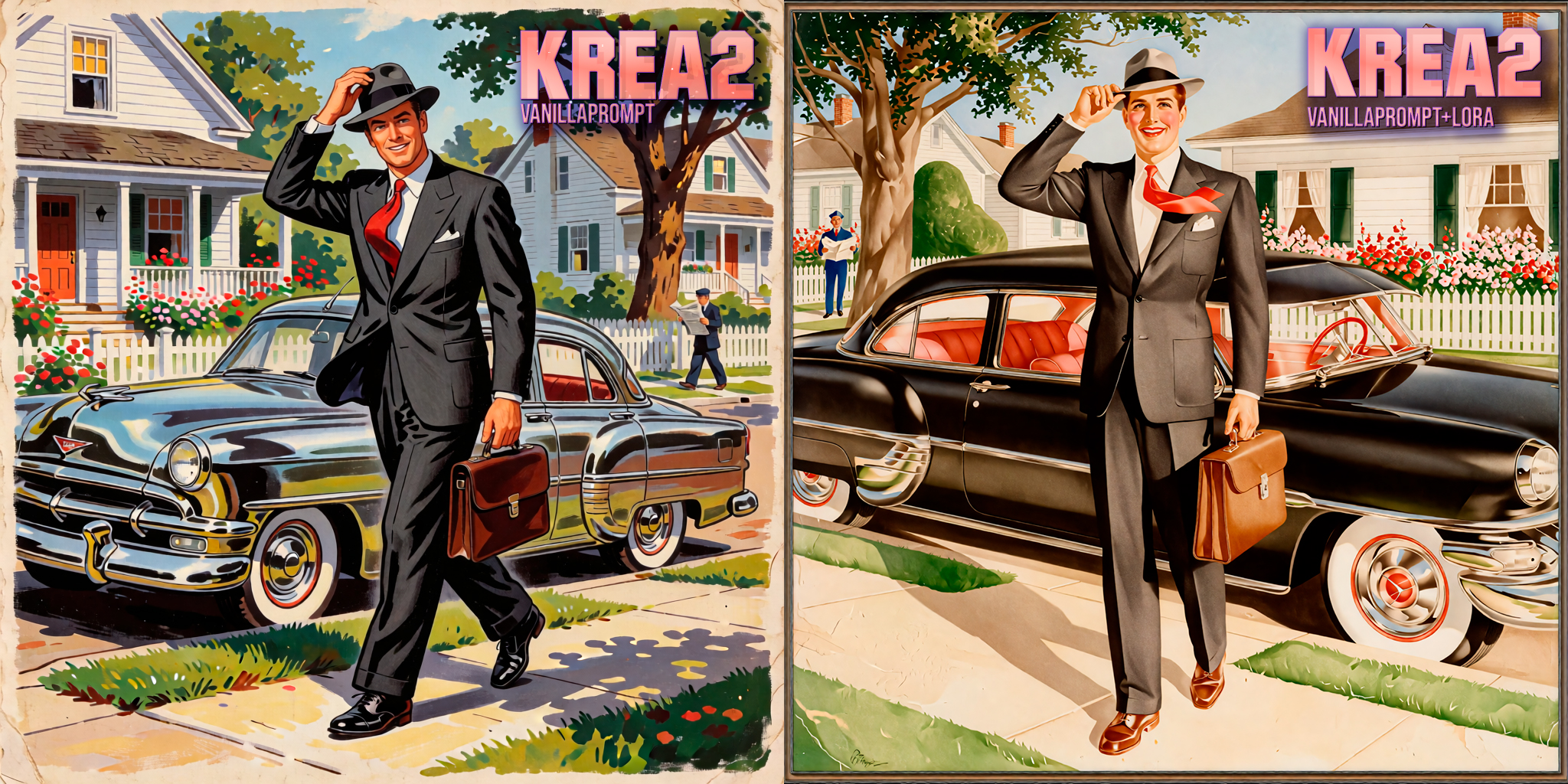
[art-style: Golden Age 1940s American pin-up illustration]
Digital vintage lithograph reproduction. Clean, bold ink outlines with slightly exaggerated contours, smooth airbrushed gouache gradients for skin shading, and high-contrast comic book ink illustration details. Fine ink grain, faint paper yellowing, and minor edge wear.
[/art-style]A handsome, square-jawed man in his early 30s walking confidently toward the viewer on a sunny suburban sidewalk, one hand adjusting his fedora, the other holding a briefcase. He wears a tailored charcoal-gray suit with a crisp white shirt, red power tie, and polished oxford shoes. Behind him is his gleaming chrome 1950s sedan parked at the curb of a neat picket-fence house with blooming flower beds. Morning golden sunlight, light breeze lifting his tie slightly, optimistic smile, strong heroic posture with broad shoulders emphasized. Background includes white clapboard houses, a newspaper boy in the distance, and a big shady oak tree.
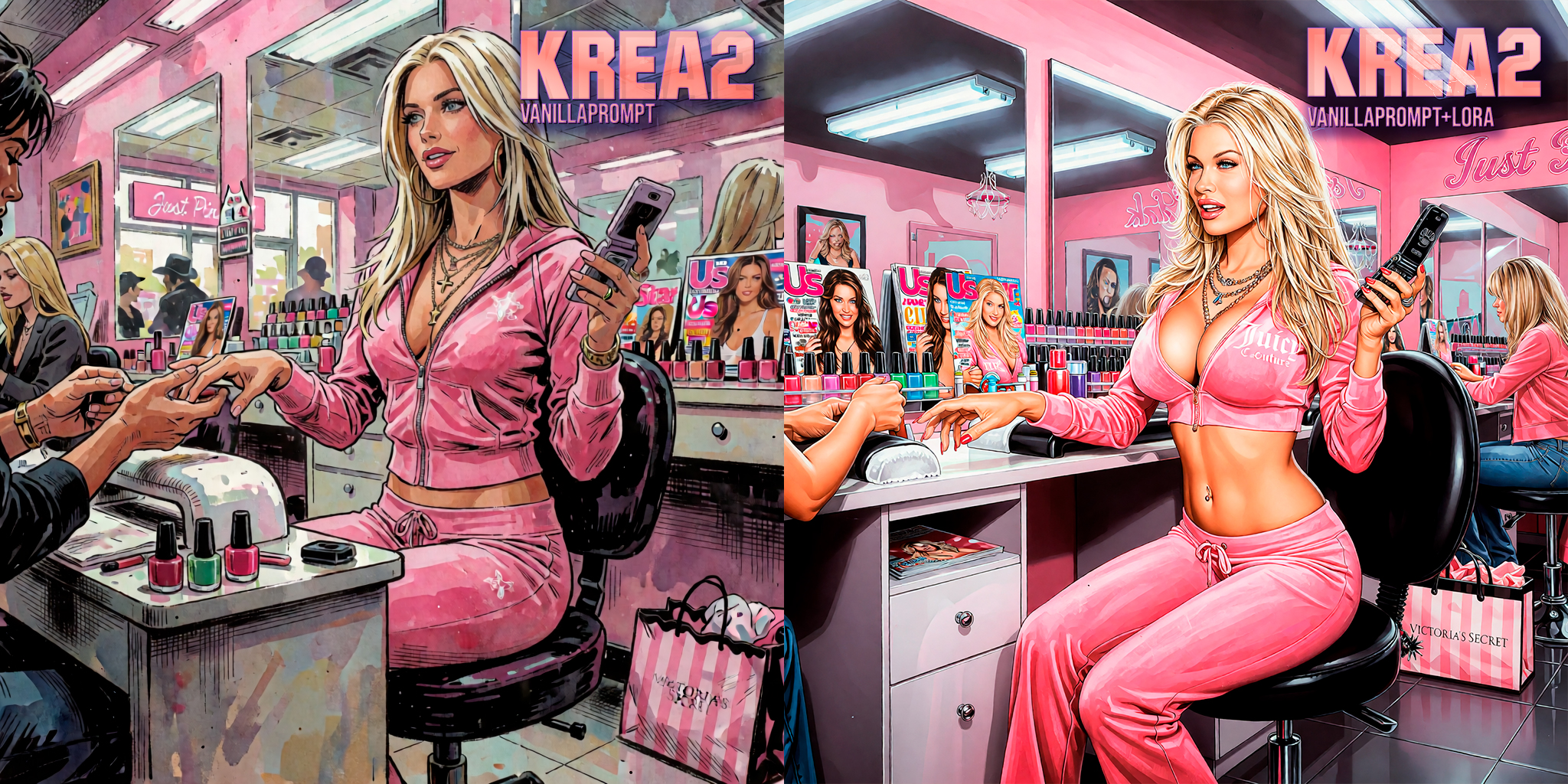
[art-style: western comic illustration]
Highly detailed, anatomically grounded figures with realistic proportions and expressive faces. Fine cross-hatching and brushwork for texture. Strong chiaroscuro lighting with deep shadows and highlighted focal points. Cinematic composition, authentic Western details (tack, spurs, architecture), subtle environmental storytelling. Matte ink finishes with occasional wash or gouache-like gradients.
[/art-style]A glamorous early-20s white blonde woman with straight platinum blonde hair (lowlights, chunky highlights, and chunky layers typical of the era) sitting at a manicure station in a trendy 2000s beauty salon. She wears a pink velour Juicy Couture-style tracksuit top with matching low-rise pants, large hoop earrings, layered necklaces, and glossy lip gloss. She holds one hand out elegantly for a nail technician while checking her flip phone with the other, confident and self-assured expression with a slight smile. Salon details: bright fluorescent lighting with pink accents, mirrors everywhere, rows of nail polish bottles, celebrity magazines (Us Weekly, Star), Victoria’s Secret bag on the floor, and a “Just Pink” salon sign. Materialistic, aspirational Y2K feminine energy.
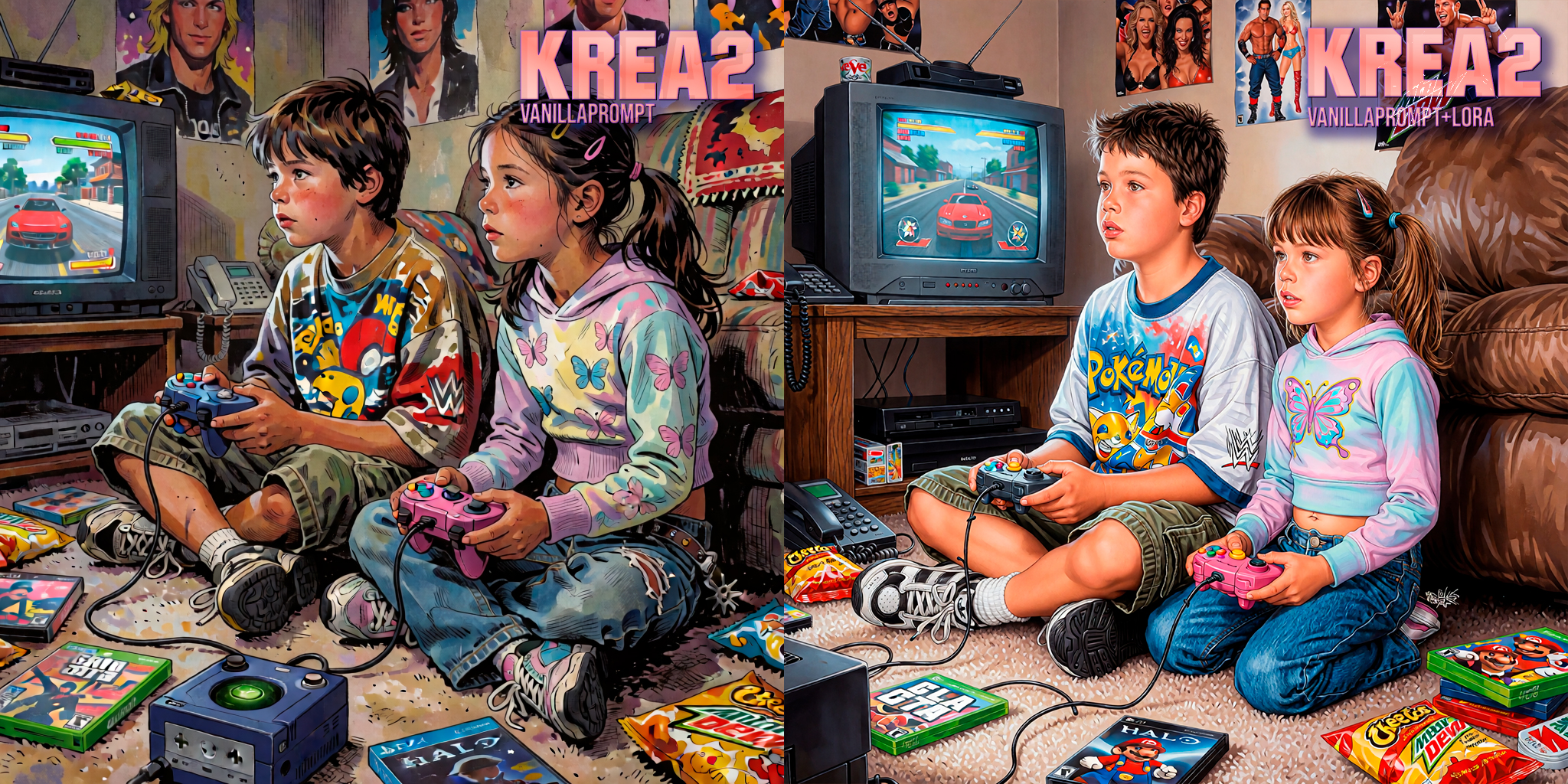
[art-style: western comic illustration]
Highly detailed, anatomically grounded figures with realistic proportions and expressive faces. Fine cross-hatching and brushwork for texture. Strong chiaroscuro lighting with deep shadows and highlighted focal points. Cinematic composition, authentic Western details (tack, spurs, architecture), subtle environmental storytelling. Matte ink finishes with occasional wash or gouache-like gradients.
[/art-style]A young boy (around 10) and girl (around 8) sitting side-by-side on a living room floor, completely hypnotized by early 2000s videogames. The boy wears a baggy graphic t-shirt (perhaps with a Pokémon or WWE logo), cargo shorts, and sneakers, leaning forward intensely with a GameCube or Xbox controller. The girl wears a pastel hoodie with butterfly graphics, low-rise jeans, and pigtails with colorful clips, holding a pink controller. Both have wide-eyed, zoned-out expressions, mouths slightly open. Room details: CRT television with glowing screen showing a racing or fighting game, scattered game cases (GTA, Halo, Mario), snack wrappers (Cheetos, Mountain Dew), posters of pop stars or wrestlers on the walls, early 2000s middle-class suburban living room with beige carpet and corded landline phone. Soft indoor lighting with TV glow illuminating their faces.
How I prompt a Western Style
In general and for most text to image models: western illustrations are categorized by collectors into five main historical ages and further divided by genres and formats.
Western Style: Platinum Age Period:[1880's 1940's] LoRA: [1]
Focuses on newspaper comic strip reprints, pulp magazines, and the first true comic books (e.g., The Yellow Kid).
Western Style: Golden Age Period:[1940's 1955's] LoRA: [1]
Defined by a 10c cover price and the birth of superheroes. Iconic characters debuted here, including Superman, Batman, Wonder Woman, and Captain America.
Western Style: Silver Age Period:[1955's 1970's] LoRA: [1]
Revitalized the industry with the rise of Marvel Comics. It introduced classic characters such as Spider-Man, the Fantastic Four, the X-Men, and the Hulk.
Western Style: Bronze Age Period:[1970's 1985's] LoRA: [1]
Brought darker, socially relevant storylines (dealing with issues like racism and substance abuse) alongside a massive surge in horror and fantasy titles.
Western Style: Modern Age Period:[1985's 2000's] LoRA: [1]
Features a greater focus on complex, creator-owned stories, "event" crossovers, and high-quality standalone graphic novels.
Copy and Paste
I developed some prompt style prompts ready to use and modify. Use them wisely.
🗂️ classic fine art
[art-style: Golden Age 1940s American pin-up illustration]
Digital vintage lithograph reproduction. Clean, bold ink outlines with slightly exaggerated contours, smooth airbrushed gouache gradients for skin shading, and high-contrast comic book ink illustration details. Fine ink grain, faint paper yellowing, and minor edge wear.
[/art-style]
🗂️ comic book
[art-style: comic book illustration]
Bold, clean black ink outlines with varying line weight for emphasis on figures and action. Dynamic poses, heroic proportions, simplified anatomy with strong silhouettes. Classic newsprint halftone dots, slight paper aging/yellowing, and vibrant but slightly muted vintage palette.
[/art-style]
🗂️ comic illustration
[art-style: western comic illustration]
Highly detailed, anatomically grounded figures with realistic proportions and expressive faces. Fine cross-hatching and brushwork for texture. Strong chiaroscuro lighting with deep shadows and highlighted focal points. Cinematic composition, authentic Western details (tack, spurs, architecture), subtle environmental storytelling. Matte ink finishes with occasional wash or gouache-like gradients.
[/art-style]
